
Blog > How to Care for Your Floors in Winter: Expert Tips for Salt, Moisture, Pets & Heavy Traffic
How to Care for Your Floors in Winter: Expert Tips for Salt, Moisture, Pets & Heavy Traffic
Monday, February 9, 2026
Winter can be one of the most damaging seasons for your floors — especially in high-traffic areas like entryways, mudrooms, and garage transitions. Snow, ice melt, salt, grit, and moisture don’t just create messes; they slowly wear down finishes, stain grout, and shorten the life of your flooring.
This guide goes beyond surface-level winter floor care tips. These are professional insights, real-world fixes, and smart prevention strategies designed to best protect hardwood, tile, luxury vinyl, laminate, and carpet all winter long.
Winter Flooring Fact
In much of the Northeast and Mid-Atlantic, the average winter delivers the equivalent of 20–30 inches of liquid moisture when snow, sleet, ice, and rain are combined. Once it melts, all of that moisture moves through your entryways, floors, and grout lines.
Why Winter Is So Hard on Floors
The biggest winter threat isn’t snow — it’s abrasive grit mixed with moisture.
Salt, sand, and fine gravel act like sandpaper underfoot. When moisture is added, debris is pushed deep into:
- Wood seams
- Grout lines
- Textured vinyl and laminate surfaces
Over time, this leads to dull finishes, staining, edge damage, and premature wear.
Did You Know?
Most winter floor wear happens gradually — long before you see visible damage.
It’s the constant friction from fine grit mixed with moisture that quietly breaks down your floor’s protective finish.
Entryway Floor Protection: What Actually Works
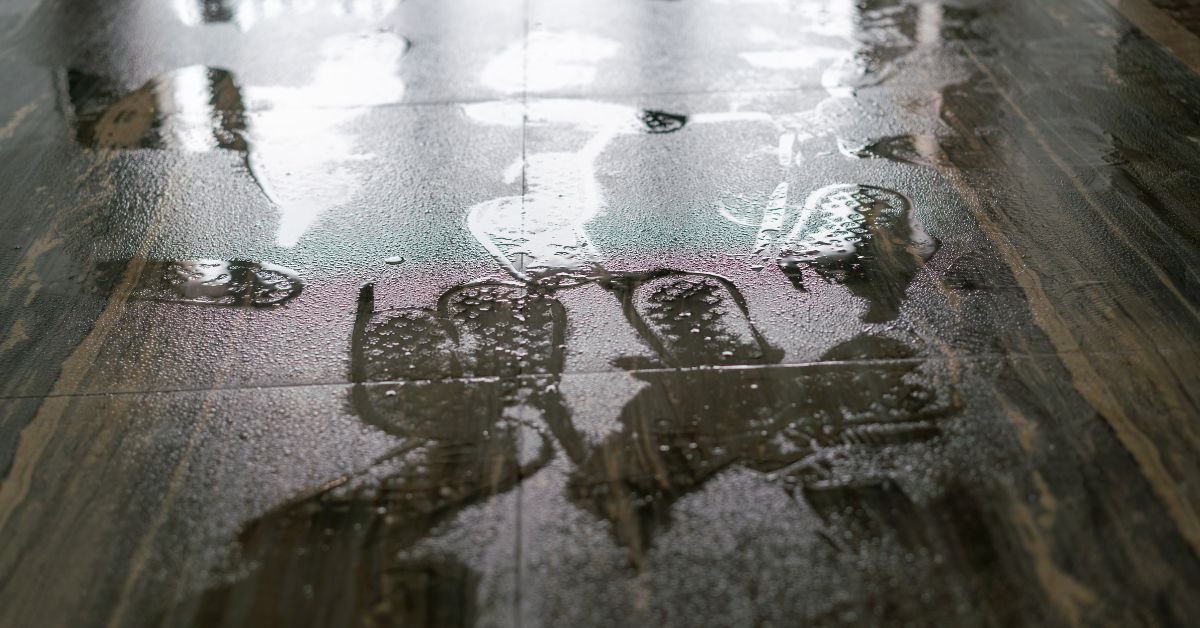
Most homes rely on a single doormat. Flooring professionals recommend a three-zone entryway system for real winter protection:
- Exterior scraper mat to remove salt and grit
- Interior absorbent mat to capture moisture
- Transition rug or runner to stop remaining debris
This approach can reduce tracked-in dirt and moisture by up to 80% compared to using just one mat.
Pro tip: Choose rubber-backed mats to help stop moisture from seeping into subfloors and grout near entryways — and to keep mats firmly in place, reducing slips on wet winter days.
How to Fix and Prevent Grout Stains Near Doors
Grout discoloration near entryways is one of the most common winter flooring complaints — and one of the easiest to misunderstand.
Why It Happens
- Grout is porous and absorbs salt and minerals
- Moisture wicks stains deep into grout lines
- Freeze-thaw cycles lock discoloration in place
What to Avoid
- Acidic cleaners like vinegar or bleach
- Steam cleaning unsealed grout
- Aggressive scrubbing with stiff brushes
What Works Best
- Oxygen-based grout cleaners
- Gentle agitation with soft-bristle brushes
- Professional grout sealing to block moisture absorption
Flooring Fact
Unsealed grout can absorb up to 15–20% of its weight in moisture, which is why salt staining and discoloration almost always show up first near doors in winter.
Garage-to-House Traffic: A Hidden Trouble Zone
The garage entry is often the most abused flooring area in the home — yet it’s rarely protected properly.
Common issues include:
- Salt and slush buildup
- Meltwater pooling
- Oil mixing with moisture
- Heavy boot and pet traffic
Practical Solutions That Work
- Washable runners from the garage door to the interior door
- Raised-edge boot trays (not flat mats)
- A small towel station for boots and paws
- Low-profile rubber mats that won’t interfere with doors
These simple changes dramatically reduce winter moisture damage.
Pet-Friendly Winter Floor Care
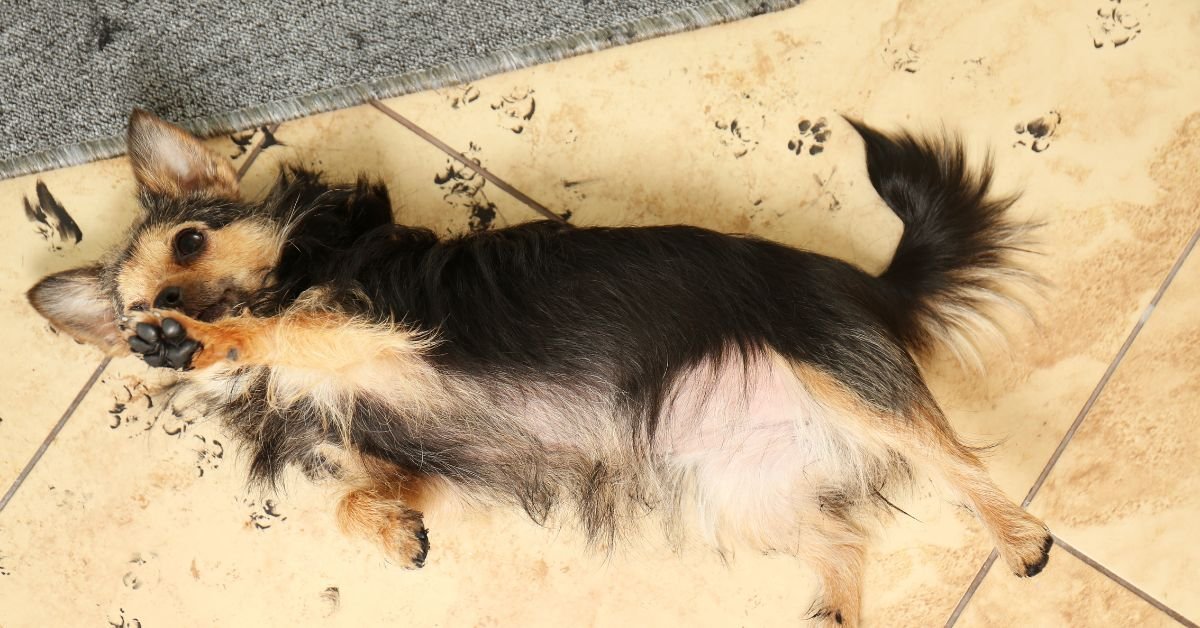
Wet paws, claws, and constant traffic make winter especially tough on floors in pet-friendly homes.
What Helps Long-Term
- Scratch-resistant finishes
- Waterproof cores (tile and LVP)
- Micro-textured surfaces for traction
Daily Winter Habits
- Keep towels near entry doors
- Trim fur between paw pads
- Use enzyme-based cleaners for accidents
Did You Know?
A single wet dog repeatedly walking across hard flooring can leave thousands of micro-scratches over a winter season, even if damage isn’t immediately visible.
Winter Floor Cleaning: Less Water, Better Results
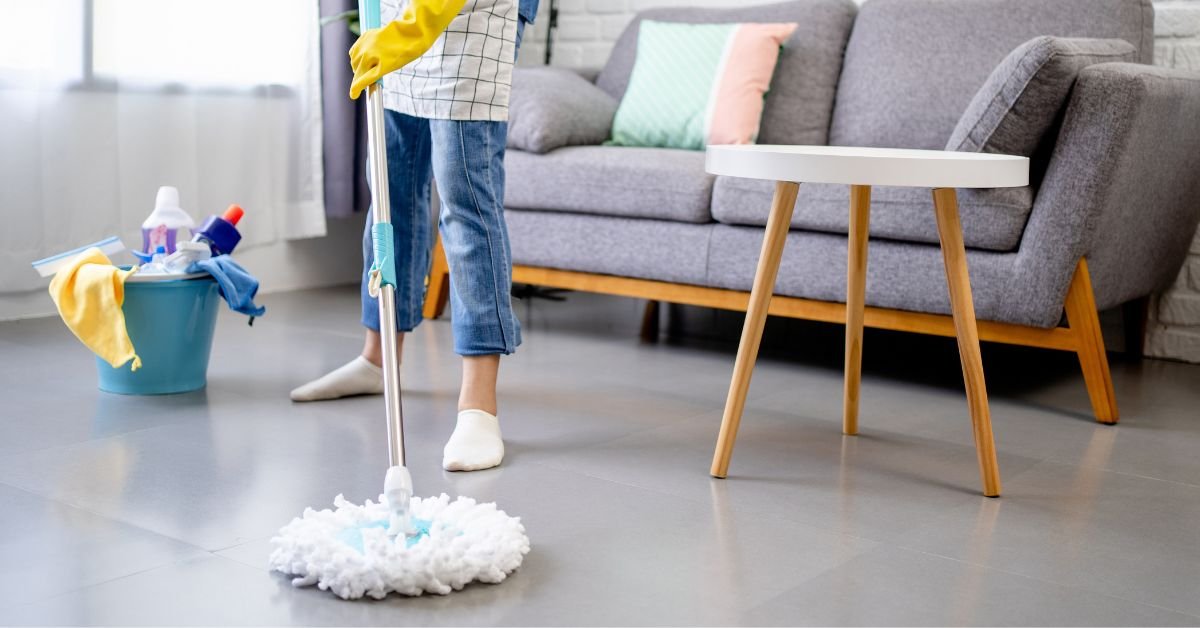
Using more water doesn’t mean cleaner floors — especially in winter.
Smarter Cleaning Practices
- Damp mop instead of a wet mop
- Vacuum the grit before mopping
- Clean more frequently, but lightly
- Avoid waxes and residue-heavy polishes
Too much floor cleaner can leave a film that actually attracts dirt.
Waterproof Flooring: What It Really Means in Winter
Waterproof” doesn’t mean worry-proof — especially during snowy, wet winters. Certain flooring types handle moisture better than others, but performance comes down to how they’re installed just as much as the product itself.
Luxury Vinyl Plank (LVP) & Luxury Vinyl Tile (LVT) — Built for Real Life
Luxury vinyl is one of the best winter-friendly flooring options because it resists surface water and won’t swell like natural wood.
But proper installation makes all the difference:
- Sealed seams help stop moisture from slipping between planks
- Moisture-resistant underlayments protect what’s underneath your floor
- Correct expansion spacing allows the floor to naturally expand and contract as temperatures change
Without proper spacing, vinyl can push against walls and doorways during freeze-thaw cycles, leading to lifting, rippling, or buckling over time.
This is where professional installers shine: they calculate expansion gaps based on room size, temperature swings, and product specs — something DIY installs often miss.
Tile Flooring & Entryway Transitions — Winter’s Heavy-Duty Workhorse
Porcelain and ceramic tile are naturally water-resistant and ideal for snowy entryways — but transitions are critical.
Professional installation ensures:
- Tight grout sealing to block moisture from soaking below the surface
- Proper door threshold transitions that guide water away instead of trapping it
- Subfloor protection layers to prevent long-term moisture damage
Poor transitions can allow meltwater to pool at doorways — slowly seeping underneath flooring and weakening adhesives or grout over time.
Why Installation Matters More Than the “Waterproof” Label
Even the best waterproof flooring can fail if moisture gets trapped underneath. During winter’s constant freeze-thaw cycles, hidden moisture expands and contracts — which can cause:
- Planks to lift or separate
- Grout lines to crack
- Floors to feel uneven or soft
Working with professionals means:
✔ Correct spacing for seasonal movement
✔ Proper moisture barriers
✔ Long-term performance
Small Winter Habits That Make a Big Difference
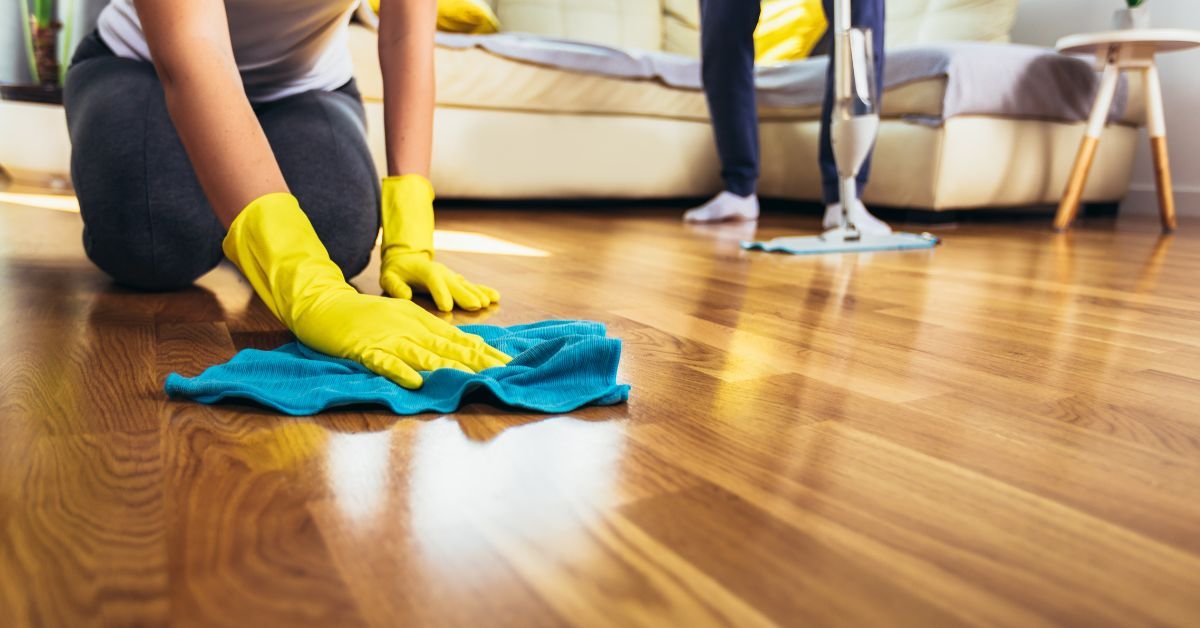
A few simple routines can dramatically extend the life and look of your floors — especially during harsh winter months.
Remove salt residue weekly
Salt crystals don’t just disappear when they dry — they keep scratching finishes every time someone walks across them.
Use a lightly damp microfiber mop or floor-safe cleaner to lift residue before it builds up.
Avoid: Dry sweeping alone — it often spreads grit around instead of removing it.
Rotate mats and rugs so they dry fully
Winter mats soak up snowmelt and moisture fast. Rotating and air-drying them prevents moisture from sitting against your floors for days at a time.
Avoid: Leaving wet mats in place — trapped moisture can discolor wood, loosen vinyl adhesives, and weaken grout.
Maintain stable indoor humidity
Cold air is dry, and blasting heat can pull moisture out of natural materials like hardwood.
Keeping humidity in the 35–45% range helps prevent:
- Gapping between boards
- Warping or cupping
- Finish cracking
Avoid: Letting air get extremely dry — it accelerates wear on wood floors in particular.
Address stains early (before they bond to finishes)
Salt marks, moisture rings, and grit stains are much easier to remove when fresh.
A quick clean now can prevent permanent dull spots later.
Avoid: Letting stains “dry out first” — many become harder to lift once they set into the finish or grout.
Get professional advice before trying harsh fixes
This is a big one. Many winter floor problems get worse because of common DIY solutions like:
- Vinegar or ammonia on hardwood or vinyl (breaks down protective coatings)
- Abrasive powders or scrub brushes (scratch finishes permanently)
- Excess water when cleaning (seeps into seams and subfloors)
What feels like a deep clean can actually shorten your floor’s lifespan.
A quick recommendation from a flooring professional can save thousands in repairs or premature replacement.
When to Call a Flooring Professional
If you notice:
- Persistent grout discoloration
- Lifting, buckling or cupping of planks or cracks
- White powdery residue (efflorescence)
- Finish dulling near entryways
…it’s time to consult a flooring expert. Small fixes now often prevent major repairs later.
Winter Doesn’t Have to Win
Your floors work hard all winter — but with the right strategies, they don’t have to suffer. Thoughtful entryway protection, smarter cleaning, pet-friendly solutions, and a few professional insights go a long way toward protecting your investment.
And if you’re considering a flooring update, winter is a great time to explore options designed for moisture, pets, and real life.
Floors USA… It’s worth the trip.